Visitors who search your website usually have a specific objective. They may need a product specification, technical document, service location, member resource, replacement part, or answer to a support question. Whether they find it can determine whether they take the next step or leave.
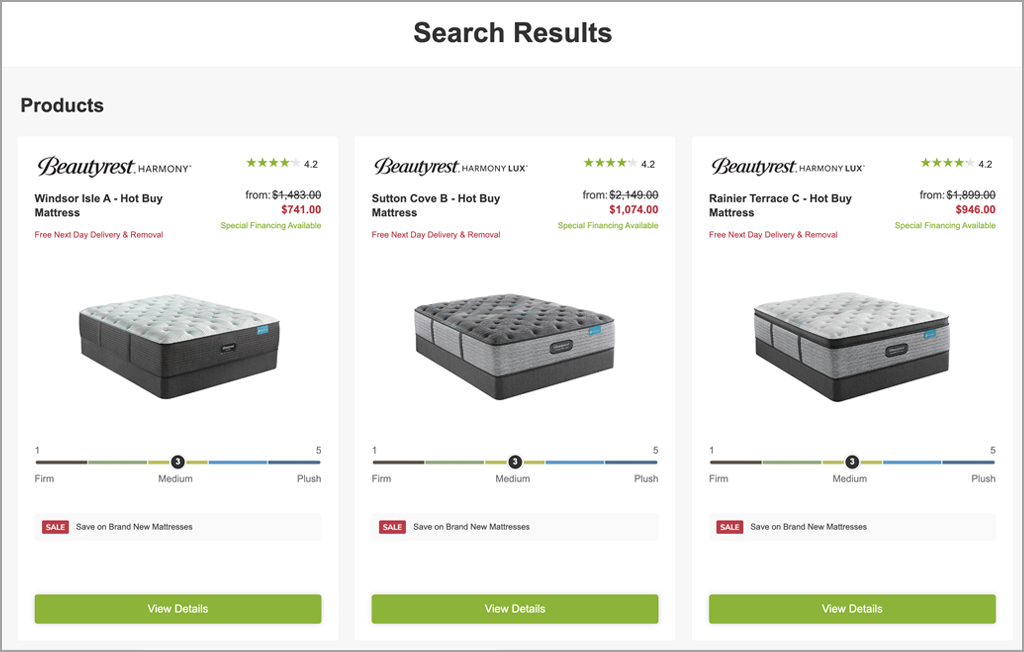
Effective onsite search can be customized around how your customers search, the terminology they use, and the content you want them to find.
The Value of Search Customization
The most efficient search implementations are tailored to both customer expectations and business priorities.
Customers don’t always use your internal terminology. They may search by product type, model number, abbreviation, industry term, or even the problem they’re trying to solve. Identifying those keywords and incorporating them into product descriptions, metadata, and other content helps ensure the right information appears for the right searches.
Customization also gives organizations more control over where search leads the customer. Relevance weighting can prioritize certain content or fields, while synonym mapping can connect different terms with the same result. Featured product, technical resources, service pages, or other priority content can be surfaced for specific searches based on what is most useful to the customer and valuable to the business.
Features such as filtering, autocomplete, and type tolerance can further refine the experience. The right configuration depends on the website and its users. A manufacturer searching across model numbers and technical documents has different needs than a healthcare system organizing providers by specialty and location.
Use Analytics to Refine Search
Onsite search analytics can provide a direct view into what customers are looking for and how successfully they’re finding it.
Popular keywords can reveal which products, services, or topics are generating interest. Zero result queries can identify missing content, terminology gaps, or indexing issues. Repeated or refined searches may indicate that the initial results aren’t relevant enough.
Looking at what happens after a search adds another layer of insight. Analytics can show whether users continue to a product page, download a document, find a location, submit a form, or complete a purchase. This data can be used to adjust keywords, content, weighting, and other search configurations over time.
Search Insights Can Improve the Rest of Your Website
What customers search for can also uncover opportunities beyond the search experience itself. Search terms and behavior may reveal content that’s difficult to locate through navigation, information customers expect but can’t find, or language that differs from the terminology used throughout your website.
These insights can help inform content strategy, website navigation, product information, and SEO, making onsite search a valuable source of information for ongoing website improvements.
Starkmedia helps organizations evaluate search performance, understand how customers are searching, and customize onsite search around both user needs and business goals.
Contact us to learn how better onsite search can support your customers and your business.
